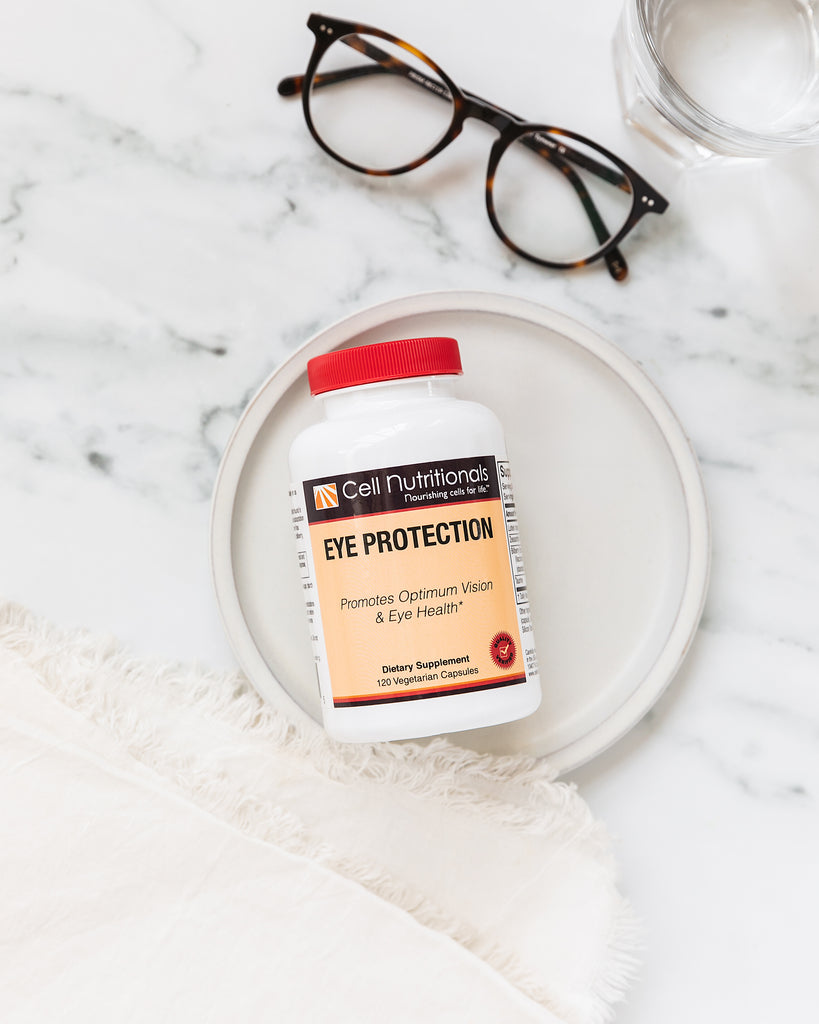
Four Players Team Up for Macular Health: Lutein, Zeaxanthin, Bilbery and Taurine
Lutein is found in high concentrations in broccoli, spinach, and kale; however, they have very little zeaxanthin. Substantial amounts of lutein and zeaxanthin are present in kiwi fruit, grapes, orange juice, zucchini, and different kinds of squash. Corn is richest in lutein and orange pepper is richest in zeaxanthin.
Lutein is a carotenoid that is typically found in combination with zeaxanthin, and these are two of the major carotenoids found in the human macula and retina. They are thought to function as antioxidants and as a blue light filter protecting underlying ocular tissues from photodamage. Interestingly, zeaxanthin is the dominant component in the center of the macula, while lutein dominates at the outer edges.
Research indicates that higher dietary intake of lutein is associated with lower risk of developing age-related macular degeneration and cataracts.
Bilberry -- Promoting Visual Acuity and Preventing Eye Disorders
Also known as "Huckleberry," Bilberry is used to improve visual acuity, including night vision, and it comes from the dried ripe bilberry fruit. The active ingredient that supports eye health is something called "anthocyanoside" (or anthocyandin), which ensures optimium microvascular blood flow and interstitial fluid balances in the macula.
Bilberry is used not only to promote night vision, but also to prevent diabetic retinopathy, cataracts, macular degeneration, and glaucoma.
Taurine - An Amino Acid Involved in Retinal Health
Taurine is a non-protein amino acid that is involved in the pre- and post-natal development of the visual as well as central nervous system. Interestingly, it has antioxidant activity. Although better known for its use in the treatment of congestive heart failure, high blood pressure, and high cholesterol, endogenous taurine is also involved in retinal photoreceptor activity!*
Taurine is found in high amounts in the retina and taurine research was greatly stimulated by the finding that it is an essential nutrient for cats! Yep, felines in service to humans once again! Taurine deficiency in cats can result in things like central retinal degeneration. Shortly after this discovery, it was found that infants fed formulas lacking taurine had abnormal electro-retinograms.
Member Tip
Optimum eye health requires antioxidants like vitamin A, vitamin E, zinc, and selenium (all found in Sam's Advanced Antioxidant).