View CartMy Account / Order StatusHelp


(Your shopping cart is empty)

  Home > Heart >

  Vitamin C with Bioflavonoids, 500mg, 120 Tablets
  Vitamin C with Bioflavonoids
 
Vitamin C with Bioflavoniods promotes health immune function and collagen production. Vitamin C is not produced in the body and critical to heart and capillary health.

Tablet Size: 8T


Retail $15.95
Our Price $6.77


Availability: Usually Ships in 1 to 2 Business Days


Description Supplement Facts Lab Tests & Studies


Vitamin C: A Mighty Important Nutrient

In May of 2004, the American Journal of Public Health reported that close to 23% of Americans have marginally low or low vitamin C in their blood. The report goes on to say that many of the fruits and vegetables we eat today consist of very low levels of vitamin C and we tend to over cook those foods also decreasing the vitamin C content. The results suggest that Americans, especially cigarette smokers and poor eaters, should increase their consumption of vitamin C–rich foods and consider taking a vitamin C supplements.

Although most animals can make vitamin C from scratch, humans have lost the ability and must obtain vitamin C from foods and supplements. Vitamin C has a role in several physiological functions and metabolic processes. Vitamin C is probably best known for its effects as an antioxidant and its role in maintaining proper immune function.

Vitamin C is the first line of antioxidant protection in the body. Since vitamin C is a water-soluble vitamin, it has the ability to work both inside and outside the cells protecting against damaging free radicals. As an antioxidant, vitamin C decrease oxidants throughout the body and research as shown that it protects against some diseases associated with oxidative damage such as hypertension, cardiovascular disease, macular degeneration and even ultraviolet skin damage. Also, vitamin C compliments another antioxidant vitamin, vitamin E, which works in the lipid (fatty) parts of the body.

Many different immune-enhancing effects have been demonstrated using vitamin C and the reason why so many of us who are fighting the common cold, reach for vitamin C! Vitamin C appears to enhance the T-lymphocyte activity (a lymph cell that orchestrates the immune system's response to infected cells) and increase phagocyte functions (cells that engulfs invading microorganisms). Clinical studies have shown that taking vitamin C decrease cold symptoms by one to one and half days in some patients.

Another primary function is vitamin C's ability to manufacture collagen, a key protein in our connective tissues, cartilage and tendons. When inside our cells, vitamin C hydroxylates (adds hydrogen and oxygen) to two amino acids: proline and lysine. This helps form a precursor molecule called procollagen that is later packaged and modified into collagen outside of the cell. Without vitamin C, collagen formation is disrupted, causing a wide variety of problems throughout the body.

Cardiovascular Health and Vitamin C

When it comes to our heart and cardiovascular system, vitamin C has shown some very promising effects in protecting this vital system. As mentioned above, vitamin C acts as an antioxidant, fighting free radicals that may attack our cardiovascular system. In addition, this vitamin strengthens the collagen structures of the arteries. And many studies have shown that vitamin C has a great effect on our cholesterol levels and blood pressure. The higher the vitamin C content in the blood, the lower the total cholesterol and triglyceride levels and the higher the HDL ("good cholesterol") levels.

History of Vitamin C

Centuries before the isolation and understanding of vitamins, vitamin C deficiency was evident in scourge of sailors that took voyages of many weeks with fresh fruits and vegetables. They called the disease, scurvy, which had symptoms including non-healing wounds, bleeding gums, bruising and overall weakness.

However, it was not until 1747 that James Lind, a Scottish physician, demonstrated that scurvy could be cured or prevented by the consumption of citrus fruit.  This led to the inclusion of certain fresh foods and fruits in sailors' diets.

In 1928, Hungarian  Albert Szent-Gyorgyi, isolated what he would call "anti-scorbutic principle" (or ascorbic acid) from lemon juice. This, of course, was vitamin C.

Vitamin C and Linus Pauling

Two-time Nobel prize winner, Dr. Linus Pauling was the first to realize vitamin C's crucial role in maintaining health, particularly the value in protecting our body's immune system. In 1970 he wrote the book Vitamin C and the Common Cold, which became a bestseller and brought wide public attention while creating a huge and continuously increasing demand for this micronutrient.

Later in his career, Pauling in association with Matthis Rath, M.D., began to research vitamin C, L-lysine and L-proline as crucial agents in supporting cardiovascular health. Their understanding of vitamin C's role as a collagen manufacturer lead to their theory that when there is a vitamin C deficiency in our body, collagen production is limited, and blood vessels tend to become thinner and weaker from wear and tear.  Plaque deposits then form to compensate for this weakness. In addition, their theory went on further that when adding amino acids, lysine and proline, to one's diet, had an added effect in making "bad" cholesterol less "sticky" and more plaque deposits where removed from the system.

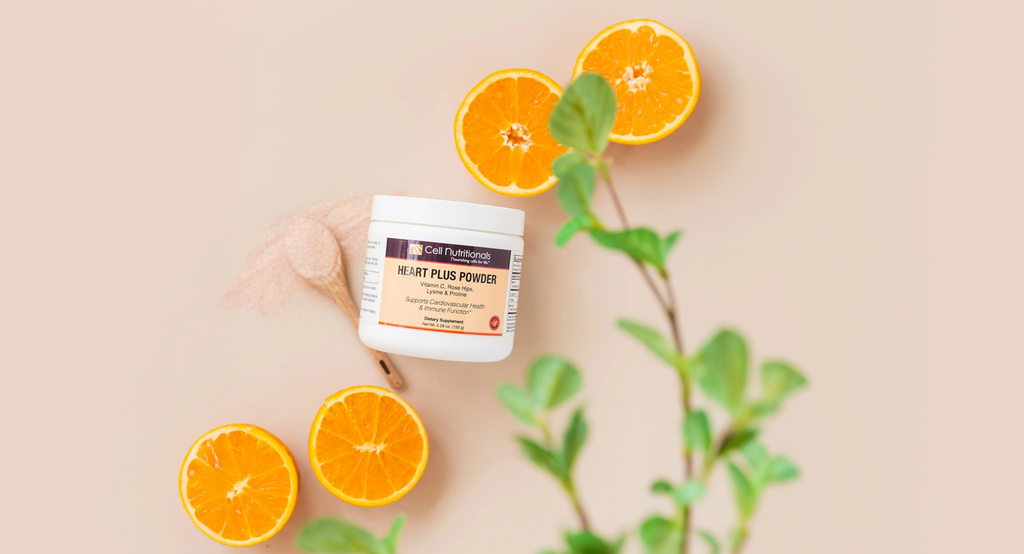
For more information on Pauling and heart health, visit on page on our Heart Plus product which contains vitamin C, l-lysine and l-proline.

Citrus Bioflavonoids Give Added Benefit to Vitamin C

Bioflavonoids are a class of water-soluble plant pigments that are often found in vitamin C-rich fruits and vegetables, especially citrus fruits. A type of flavonoid (which gives color to flowers and fruit), bioflavonoids may not be essential to life, however, it is likely we need them for optimal health. Similar to vitamin C, bioflavonoids are antioxidants protecting the body from free radicals like allergens or viruses. In combination with vitamin C, these nutrients increase blood flow by protecting blood vessels from free radical damage due to heart disease and high cholesterol.

Vitamin C as Ascorbic Acid

Our Vitamin C is in the ascorbic acid form. We have used this form for a couple of reasons. One, we have found that the ascorbic acid level is minimal compared to the acidity of our stomach and therefore most people are not sensitive to this form. Second, ascorbate is much more expensive ingredient than the acidic form. We found that ascorbic acid form is both beneficial and cost-effective for our members.

Notes

  1. Adverse effects of vitamin C are dose-related. Over 2000 mg per day may cause diarrhea and gastrointestinal upset.

 
Factoids
  • British navy men were nicknamed "Limeys" because they took limejuice on long sea voyages to ward off scurvy.
  • Rich food sources of vitamin C are strawberries, potatoes, broccoli, red peppers, citrus fruits, and kale to name a few!
  • Ready-to-drink orange juice contains 25% less active vitamin C than frozen orange juice. However, frozen OJ should be consumed with one week of reconstitution for the most reliable source of vitamin C.
  • Vitamin C was the first vitamin to be artificially synthesized in 1935. A process invented by Dr. Tadeusz Reichstein, of the Swiss Institute of Technology in Zurich.
  • The vitamin C content of many fruit is higher when it is slightly immature, and declines as the fruit hits peak ripeness.

Related Products...
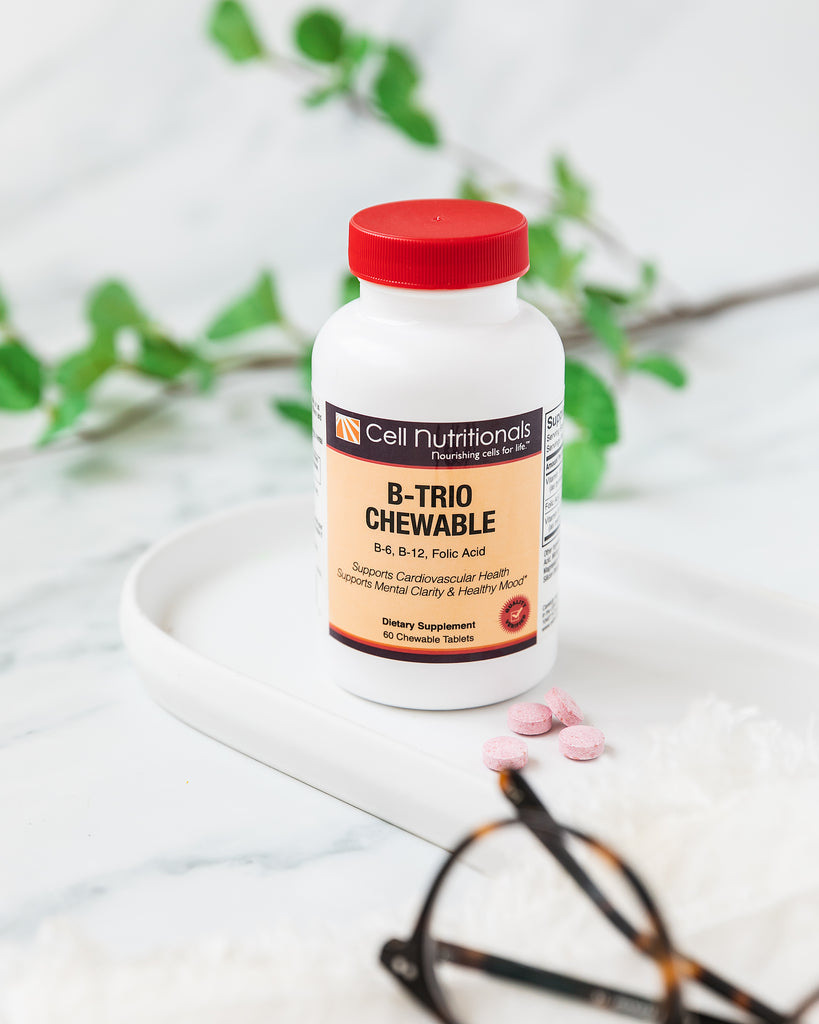
Chewable B Trio
Our Price $5.24
B Vitamin Trio (Chewable B-6, B-12 &  Folic Acid)
Lecithin
Our Price $4.87
Soy Lecithin
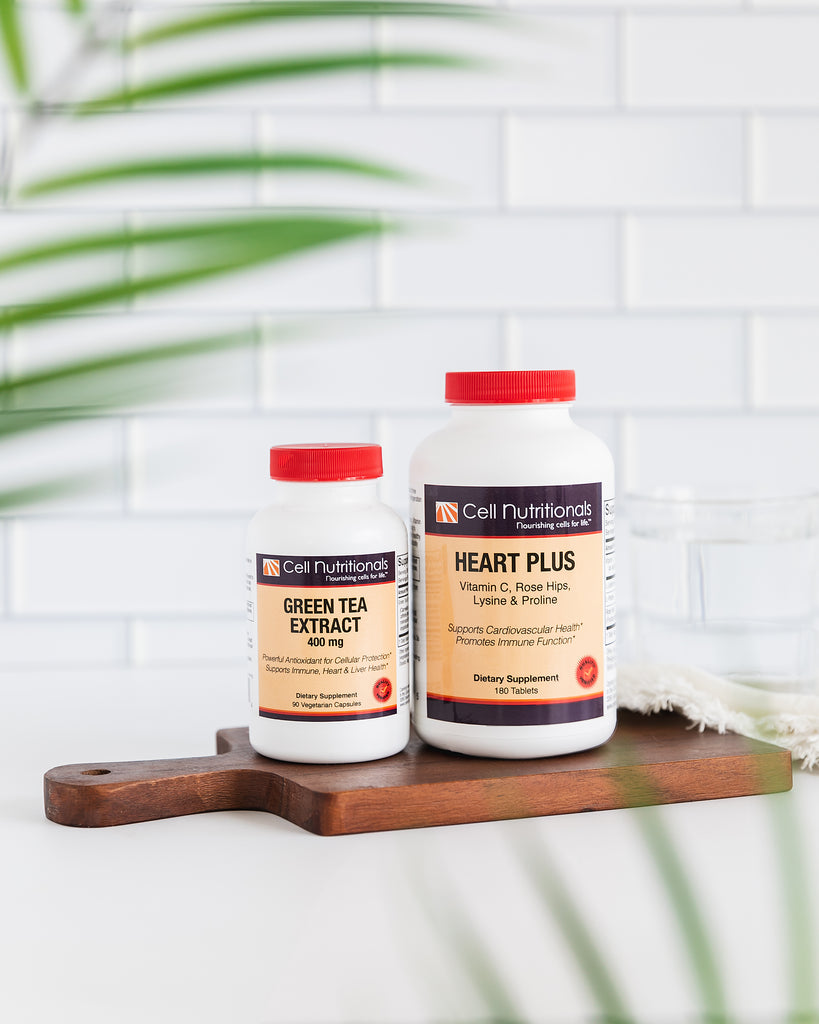
Heart Plus
Our Price $10.83
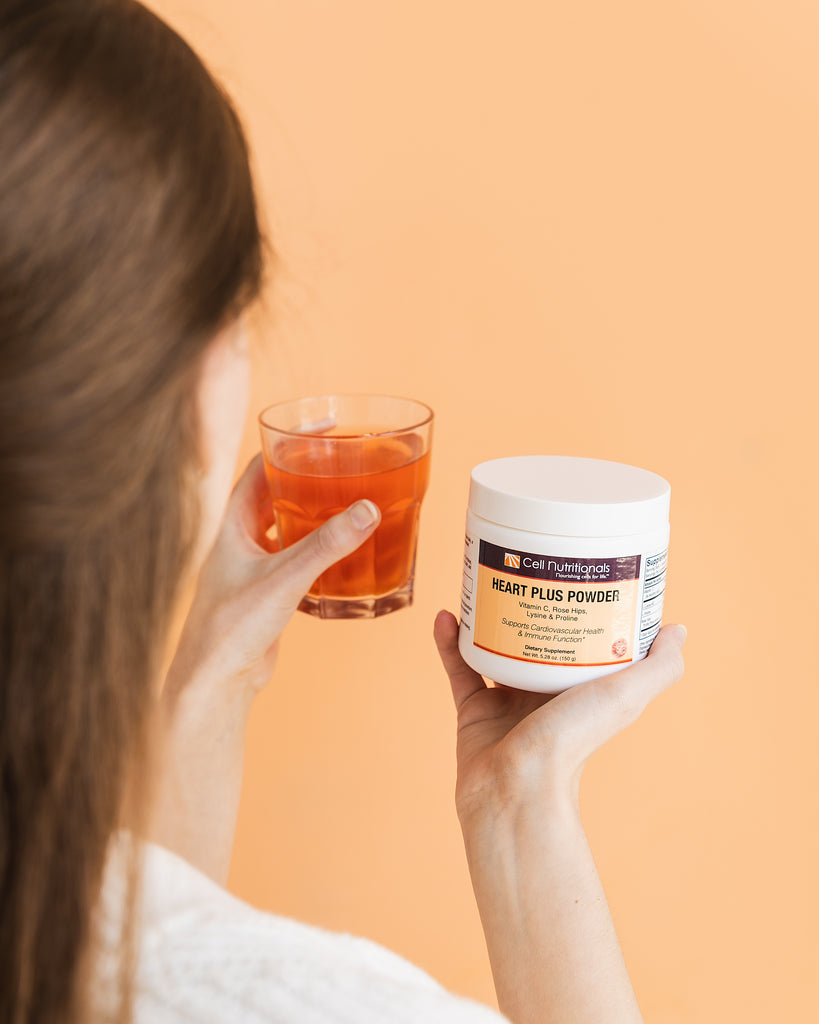
Heart Plus: Vitamin C, L-Lysine and L-Proline
Cinnamon
Our Price $3.43
Cinnamon
Heart Health Kit
Our Price $28.37
Heart Health Kit


 Share your knowledge of this product with other customers... Be the first to write a review.


Browse for more products in the same category as this item:

Heart
Immune
Vegetarian
Gluten-Free
Our Health Co-op
4188 Westroads Drive, Unit 123
Riviera Beach, FL 33407
  About Us
  Tell A Friend
  Contact Us
  Privacy Policy
 Send Us Feedback
 
date