View CartMy Account / Order StatusHelp


(Your shopping cart is empty)

  Home > Eyes >

  Sam's Advanced Antioxidant Plus D3, 90 Tablets
  Sam's Advanced Antioxidant Plus D3
 
Sam's Advanced Antioxidant Plus D with Vitamins A, C, E, Selenium, White Willow Bark and Echinacea, plus Vitamin D, which enhances the activity of immune cells along with supporting bone and skin health.

Tablet Size: 8T


Retail $22.95
Our Price $7.47


Availability: Usually Ships in 1 to 2 Business Days


Description Supplement Facts Lab Tests & Studies


Background Information

The Sam's Advanced Antioxidant "Plus" formula is comprised of well-known antioxidants such as Vitamin A, Vitamin C, Vitamin E, Selenium, and more recently Vitamin D.

Plus Vitamin D:  Vitamin D is used to reduce the risk of cancer, enhance immune system functioning, and prevent auto-immune diseases.  It also helps build bone mass and prevent bone loss, and protect against muscle weakness.  The best source for Vitamin D is natural sunlight, and food sources, such as fatty fish and eggs are relatively minor sources.  The elderly, people in northern climates, and people who don't get out in the sun regularly are prone to deficiencies in Vitamin D.   

Vitamin D and Heart Health:  Researchers at the University of Bonn in Germany, in cooperation with the Bad Oeynhausen Heart Centre, said there are "clear indications" that heart disease may be caused by vitamin D deficiency. In a group of patients with chronic heart failure, vitamin D blood levels were up to 50% lower than in a control group, report the scientists in the Journal of the American College of Cardiology. The Bonn group explains that in heart failure, the vena cava muscle is weakened to such an extent that the heart can no longer pump sufficient quantities of blood through the body. This leads to edema in the tissues, which trigger release of the hormone ANP, a known indicator of cardiac failure. It has long been recognized that Vitamin D in cell cultures slows the production of ANP.  Interesting data on a little vitamin called "D."  ^..^

Vitamin A: The primary source of Vitamin A is from plant sources, primarily green and yellow vegetables, especially carrots and fruits.  Vitamin A is important for healthy immune system functioning and is required for bone growth and vision.

Vitamin C:  Vitamin C is abundant in fresh fruits and vegetables, especially citrus fruits.  Vitamin C is also important to immune system functioning and a healthy metabolism, but has also been shown; when in combination with zinc, Vitamin E, and Vitamin A; to support vision and macular health.

Vitamin E:  Vitamin E is associated with free-radical destruction and prevention of oxidative damage associated with heart disease.  Common sources of Vitamin E include vegetable oils, cereal grains, animal fats, meat, poultry, eggs, fruits, and especially wheat germ oil. 

Selenium: Dietary selenium deficiencies have been linked to diseases as diverse as cancer, heart disease, and arthritis.  Crab, liver, fish, poultry, and wheat germ are good selenium sources. In 2003, the FDA permitted supplement claims along the following lines for selenium:

"Selenium may produce anticarcinogenic effects in the body.
"Selenium may reduce the risk of certain cancers."

Zinc:  Zinc, a trace element, is used to support a healthy immune system and to treat the common cold, recurrent ear infections, macular degeneration.  Interestingly, nearly 100 specific enzymes rely on zinc as a catalyst!  And, zinc is responsible for natural killer cell and T-lymphocyte function.  Meat, seafood, nuts, legumes, and whole grains contain relatively high concentrations of zinc. 

Echinacea:  Echinacea is used to support upper respiratory tract health and is considered to have antiviral and immune system stimulatory effects.  Interestingly, echinacea was used in the U.S. widely by settlers who learned about the herb's medicinal value from the Plains Indian tribes.

White Willow Bark:  The chemical in white willow bark is EXACTLY the same as aspirin, but without the potential side effects. Look at all the warnings on an aspirin bottle. Those who can't take aspirin usually have no problem with the willow bark.  There is clear clinical evidence that a small amount of aspirin reduces the chance of a heart attack for those at risk. Even though this has received much publicity, few people bother to take an aspirin a day. Originally scientists recommended 200-300 mg daily. Subsequent studies, however, have suggested that as small as 20 mg was equally effective.


Related Products...
Alpha Lipoic Acid
Our Price $12.95
Alpha Lipoic Acid
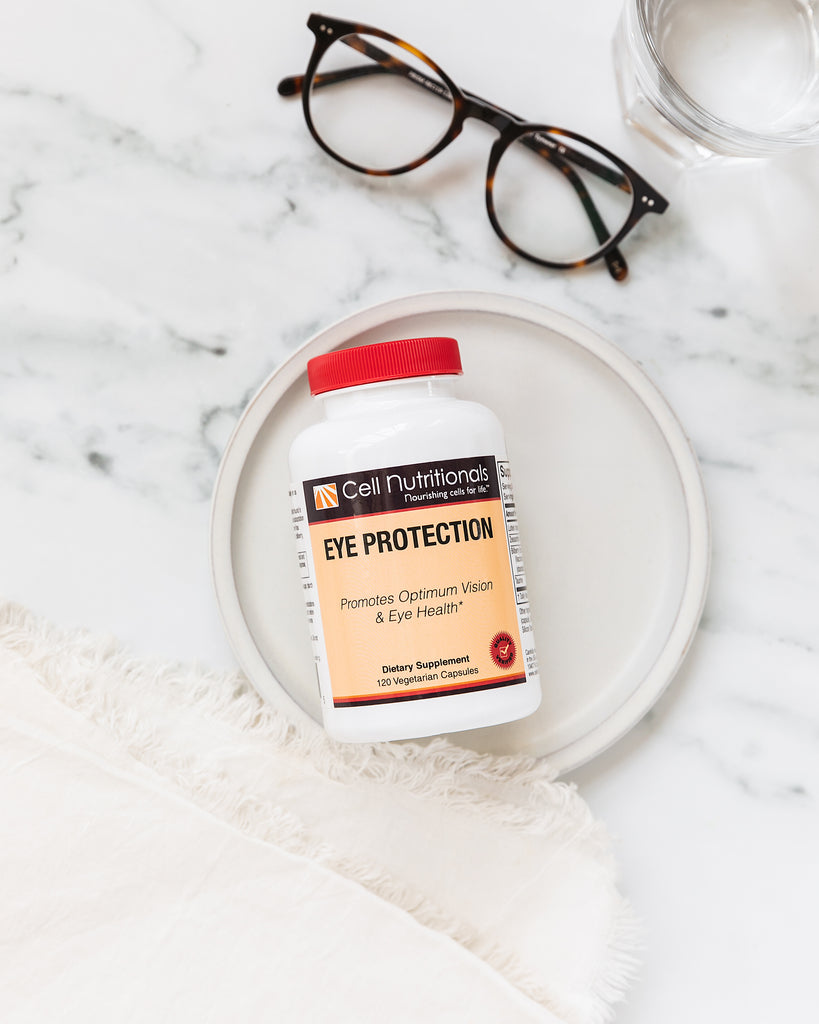
Eye Protection
Our Price $8.97
Eye Protection with FloraGLOŽ Lutein
Vitamin E
Our Price $7.62
Vitamin E
Eye Health Kit
Our Price $30.65
Eye Health Kit


 Share your knowledge of this product with other customers... Be the first to write a review.


Browse for more products in the same category as this item:

Eyes
General
Vegetarian
Gluten-Free
Our Health Co-op
4188 Westroads Drive, Unit 123
Riviera Beach, FL 33407
  About Us
  Tell A Friend
  Contact Us
  Privacy Policy
 Send Us Feedback
 
date